A recent study by scientists at the University of Pretoria and Trinity College in Dublin, Ireland, has revealed that some of the oceans most powerful predators are running hotter due to warming oceans and declining food resources.
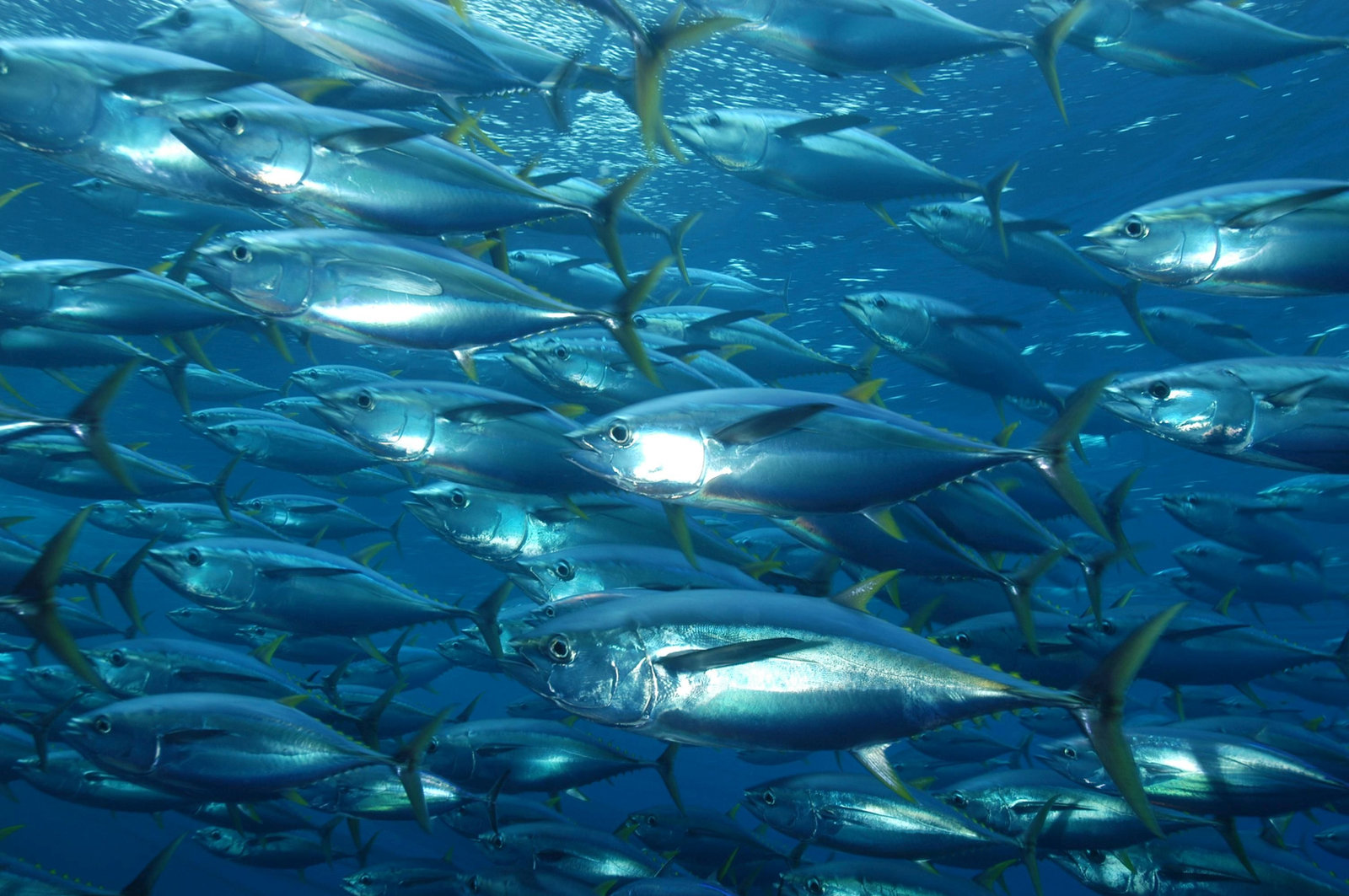
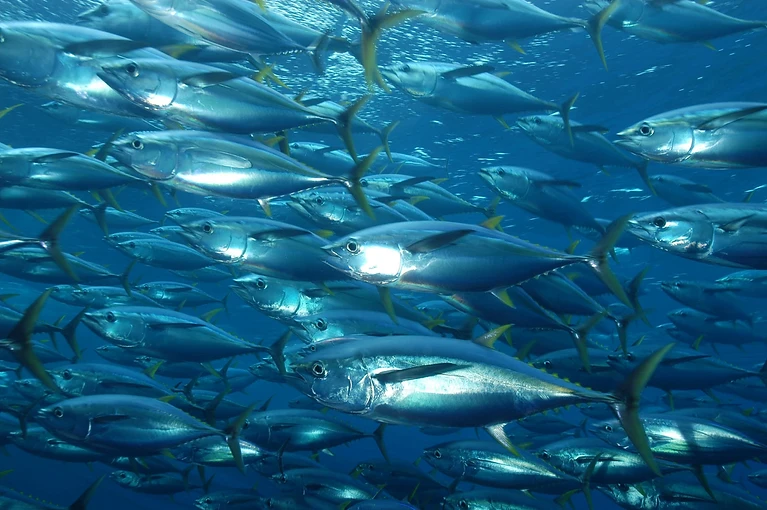
The research shows that warm-bodied fish, including the great white shark, the basking shark and tuna species, burn nearly four times more energy than their cold-blooded counterparts. This means they’re likely to face an increasing risk of overheating as ocean temperatures rise, which may result in fewer suitable habitats and enforced relocation towards the poles. As the oceans warm, these species are being pushed closer to their physiological limits, which could have consequences for where they can live and how they survive.
The study focuses on mesothermic fish, a rare group of fish species that can retain metabolic heat and keep parts of their bodies’ warmer than the surrounding sea water. After accounting for body size and temperature, the scientists found that mesothermic fish use about 3.8 times more energy than similarly sized ectothermic or cold-blooded fish. In addition, a 10 degrees C increase in body temperature more than doubles a fish’s routine metabolic rate; this means that warm-bodied predators need to consume far more food to fuel their lifestyle.
The scientists predict that under future warming scenarios, suitable habitat for large mesotherms will shrink, particularly during the summer months. While species such as the Atlantic bluefin tuna can dive to cooler waters, even they may be pushed to their limits if surface waters continue to warm. As climate change accelerates, understanding the heat conditions of marine giants could prove critical to conserving them.